Technologies We Work With

Every website and application we build rests on a small set of technologies we know well. Below is what each one is, what we use it for, and the projects where you can see it at work.

Design

How we research, design and hand over interfaces before a line of code is written.

UI/UX Design

UI/UX design is where every project starts for us: research into who the visitors are and what they need, the structure of the site, wireframes, and then the visual interface in Figma for desktop and mobile. Good UX is why a visitor finds the right service in two clicks and leaves a request; good UI is why they trust the company while doing it.

We design in Figma with a component library, so development receives exact layouts and states instead of a picture. See UI/UX design services.

Responsive Web Design

Every layout we design and build adapts to phones, tablets and desktops from the same code: fluid grids, flexible images and breakpoints chosen from real analytics rather than device lists. Most business websites now get more than half of their visitors on mobile, so the mobile version is designed first and tested on real devices before launch.

Part of every web design and development project.

Mobile Responsiveness

We test every page on real iOS and Android devices, on slow connections and with a throttled CPU, not only in a browser's device mode. Touch targets, font sizes, image weight and layout shifts are checked against Google's mobile Core Web Vitals before a site goes live, because that is where most visitors and most rankings come from.

WordPress & PHP

The CMS and language behind most of the sites we have built and maintain.

WordPress

WordPress is the CMS behind most of the 900+ websites we have delivered since 2014: company sites, blogs, catalogues and WooCommerce stores. We build custom themes from our own designs, keep the plugin set small, and tune caching, security and Core Web Vitals so a WordPress site stays fast years after launch.

We also use WordPress headlessly, as the editor behind a Next.js front end, when speed and security matter more than page builders. See WordPress development services.

WooCommerce

WooCommerce turns WordPress into an online store, and it is our choice for shops that need a familiar admin, a flexible catalogue and integrations with payment, shipping and accounting tools. We build custom store themes, product configurators, checkout flows and B2B pricing rules, and we optimise stores that have grown slow.

See WooCommerce development.

Laravel

Laravel is the PHP framework we use for custom web applications that outgrow a CMS: client portals, booking and ordering systems, dashboards and APIs. It gives us a clean architecture, authentication, queues and a large ecosystem, and pairs well with a Vue or React front end.

See framework development.

JavaScript

The stack for fast websites, interfaces and web applications, including our own site.

JavaScript

JavaScript runs the interactive part of every website we build: menus, forms, filters, calculators, animations and, with React and Node.js, whole applications. We write modern, typed JavaScript, load only what a page needs, and measure the result with Core Web Vitals so interactivity never costs speed.

For application work see Node.js and Next.js development.

HTML5

HTML5 is the foundation of every page: semantic structure that search engines and screen readers understand, native video and audio, forms with built-in validation and the APIs modern browsers expose. We hand-write clean, accessible markup with the right headings, landmarks and structured data, which is where technical SEO begins.

Node.js

Node.js is the back end of our JavaScript stack: REST and GraphQL APIs with Express or NestJS, integrations, real-time features and the admin panels behind Next.js websites. Our own site runs on a Node.js API that stores content, handles forms and serves images. One language across front end and back end keeps teams small and hand-offs few.

See Node.js and Next.js development.

E-commerce & platforms

Hosted platforms we build on when they fit the business better than a custom build.

Shopify

Shopify is our recommendation for stores that want hosting, payments and security handled by the platform. We design and build custom Shopify themes, extend stores with apps and custom sections, migrate catalogues from WooCommerce or other platforms, and build headless Shopify storefronts with Next.js when a brand needs full design freedom.

See Shopify development.

Webflow

Webflow is a hosted site builder that suits small marketing sites which a designer will maintain without developers. We build and migrate Webflow sites when the fit is right and are honest when WordPress or a custom build serves a business better; see our comparison of Webflow and WordPress in the blog.

Marketing

What happens after launch so the site is found.

SEO Optimization

Search optimisation is built into every site we launch: clean URLs, metadata, structured data, sitemaps, fast Core Web Vitals and content structured around the questions people actually search. After launch we track queries and positions in Search Console and adjust pages that Google finds relevant but not complete.

See SEO services.

Our Case Studies

Emporioepos

Emporioepos

Emporioepos is the UI/UX design project redesigned by Webcapitan's web development company for the provider of the EPOS system in the UK.

View Case Study
AltaBrio

AltaBrio

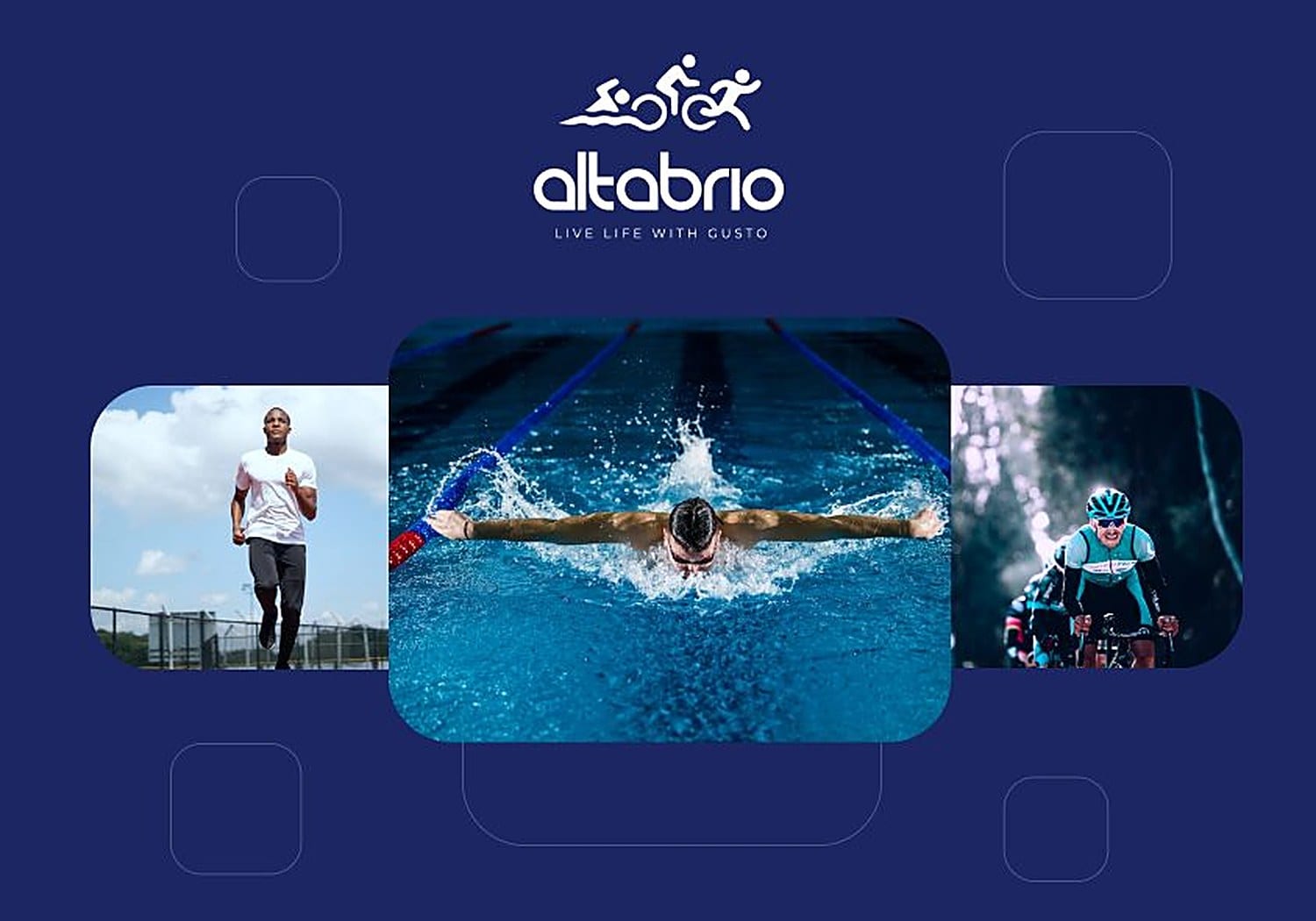
AltaBrio ( App Store , Google Play ) is a smart application redesigned by Webcapitan's app designers for customized triathlon training.

View Case Study
Gladiatorboost

Gladiatorboost

GladiatorBoost is an enhanced, premium-quality gaming boosting service developed by Webcapitan to boost online gamers' accounts in such MMOs (Massively multiplayer online Video…

View Case Study
Sunday Red Golf

Sunday Red Golf

Sunday Red Golf is one of the first but not the last projects of the web development company Webcapitan dedicated to the sport.

View Case Study
See More Works